Most Popular


When cocoa buyers, chocolate makers and consumers read Ecuador as a place of cacao origin, they have high expectations in terms of quality and flavor. However, this millennial reputation is now in danger: the most flavorful cacao variety in Ecuador called Nacional (or Arriba, or Arriba Nacional) is rapidly disappearing.


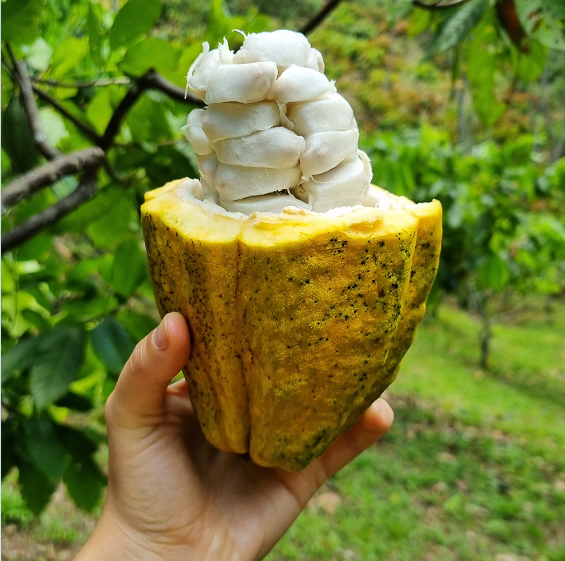
If we step aside from chocolate products and mentally travel to the tropical fields where cacao grows, we understand that cacao pollination is truly a miracle process. The cacao tree produces 250,000 flowers every year, but only 10% of them gets pollinated. WHY? Let's take a deep dive!


Education


News & Trends


Cacao Farming
When cocoa buyers, chocolate makers and consumers read Ecuador as a place of cacao origin, they have high expectations in terms of quality and flavor. However, this millennial reputation is now in danger: the most flavorful cacao variety in Ecuador called Nacional (or Arriba, or Arriba Nacional) is rapidly disappearing.
If we step aside from chocolate products and mentally travel to the tropical fields where cacao grows, we understand that cacao pollination is truly a miracle process. The cacao tree produces 250,000 flowers every year, but only 10% of them gets pollinated. WHY? Let's take a deep dive!

Growing cocoa can contribute to the richness of the soil, air cleaning, a thriving wildlife and a more reliable income for the people who grow it. Unfortunately, instead of a virtuous cycle, cocoa is currently trapped in the vicious cycle of deforestation.


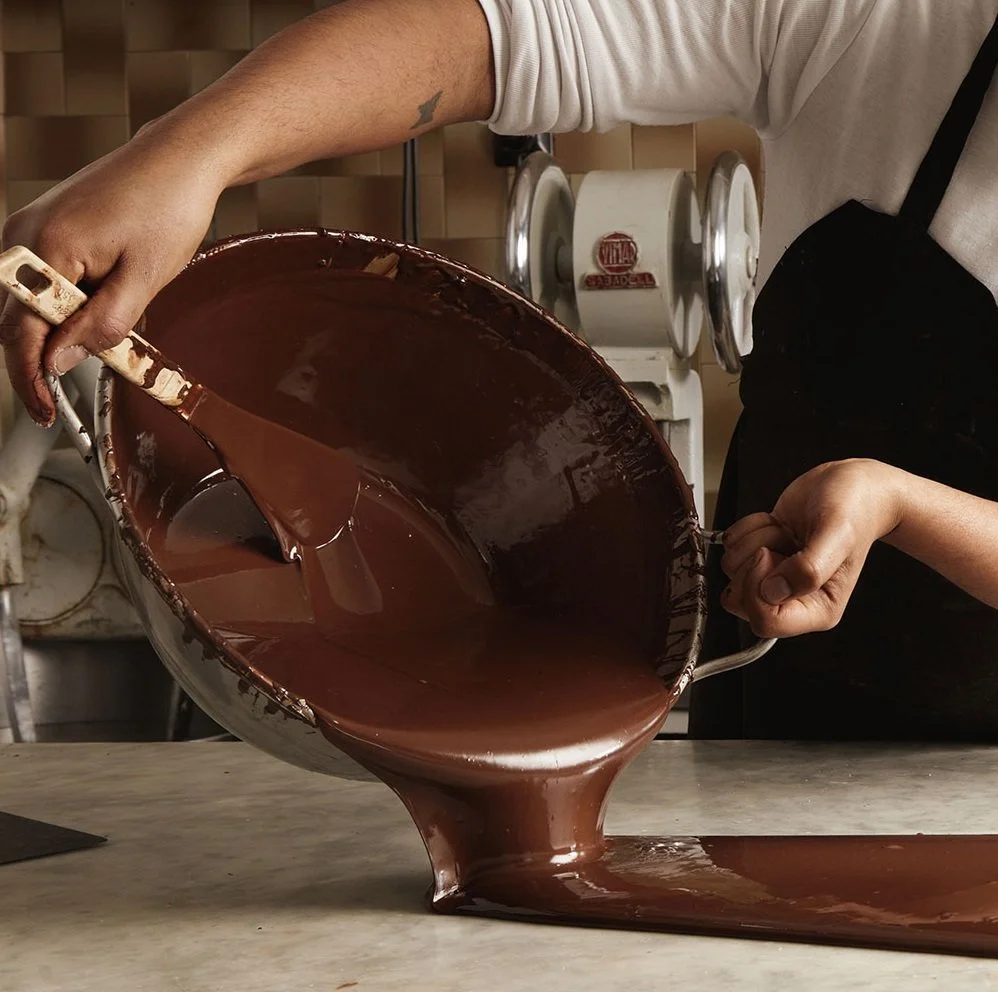
Aging chocolate (which is pretty much waiting for something to change inside the chocolate) is closer to a mistery than a science. Yet craft chocolate makers swear they can feel, smell and taste the difference.